
Hydro Excavation vs Traditional Excavation: A Cost-Benefit Analysis
Make the Smart Financial Choice: Understanding the True Cost of Each Method
When planning excavation projects, initial cost assumptions often mislead. At 4 Warriors Hydro Excavating, we work with clients surprised to learn that while hydro excavation may carry higher upfront costs, the total cost of ownership is substantially different. Traditional excavation appears cheaper initially but fails to account for damage risk, utility strikes, repairs, and environmental impact. This cost-benefit analysis helps you understand true financial implications, allowing decisions based on complete information rather than surface-level pricing.
Understanding Upfront Costs: Initial Investment Comparison
Traditional excavation typically presents lower initial expenses using basic backhoes and labor. Hydro excavation, requiring specialized equipment and certified operators, comes with higher upfront costs. However, analyzing only upfront expenses provides incomplete financial perspective. When you account for avoided utility strikes, prevented project delays, and minimized remediation costs, the true cost comparison shifts dramatically in hydro excavation’s favor.
The Hidden Costs of Traditional Excavation
A single utility strike—hitting gas lines, water mains, or fiber optic cables—triggers catastrophic costs. Beyond repair expenses, utility strikes create project delays, safety hazards, emergency response fees, potential fines, and damaged utility relationships. Some incidents result in expenses exceeding the entire cost difference between methods.
Traditional excavation also causes collateral damage. Ground disruption, landscaping damage, and soil displacement require extensive restoration. Labor intensity adds further costs—traditional methods typically require larger crews than hydro excavation’s typical two-person operation. Over multi-week projects, this labor difference accumulates substantially.
The Real Value of Hydro Excavation’s Precision
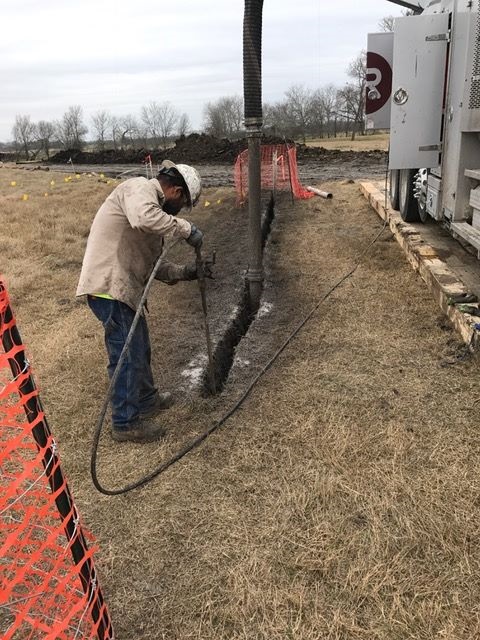
Hydro excavation uses high-pressure water and vacuum technology to expose utilities with surgical accuracy, dramatically reducing accidental damage risk. Precision also enables faster project completion—crews pinpoint utilities definitively rather than working cautiously around assumptions. Faster timelines reduce labor costs. Hydro excavation’s minimal footprint also means less restoration required, lower cleanup costs, and reduced environmental remediation expenses.
Weather and Seasonality Factors
Traditional excavation faces severe challenges in frozen ground, requiring additional equipment and premium labor compensation. Frozen ground essentially makes traditional excavation more expensive and dangerous. Hydro excavation adapts to frozen conditions using heated water, enabling year-round operation with minimal seasonal cost variation. This year-round capability represents substantial savings for contractors managing continuous work schedules.
Project-Specific Cost Considerations
For large, open-area excavation with minimal utility density and straightforward conditions, traditional excavation may offer lower costs. Long, uninterrupted trenching in rural areas represents traditional excavation’s strongest financial argument. Hydro excavation’s advantage becomes pronounced in urban environments with high utility density, environmentally sensitive areas, or precision-focused work like potholing and utility location. Many sophisticated managers use hybrid approaches, combining hydro excavation for precision tasks with traditional methods for straightforward, long-run trenching.
Insurance and Risk Management Benefits
Hydro excavation’s superior safety profile and reduced damage risk often result in lower insurance premiums. Some insurance providers offer rate reductions for projects using hydro excavation, recognizing the reduced risk. For project managers, hydro excavation reduces liability exposure from worker injuries, utility strikes, and collateral damage, providing financial protection extending beyond the immediate project budget.
The financial case for hydro excavation becomes clear when analyzing total costs rather than just upfront expenses. While initial investment may be higher, reduced damage risk, prevented utility strikes, minimal environmental impact, labor efficiency, and year-round capability create substantial long-term savings. At 4 Warriors Hydro Excavating, we help clients understand their true financial obligations. Contact us for a comprehensive project assessment revealing your actual financial implications.