
How Does Hydro Excavation Help Prepare Underground Utility Projects Before Winter?
Hydro excavation helps prepare underground utility projects for winter by safely exposing buried infrastructure, identifying potential utility conflicts, and allowing contractors to complete critical excavation tasks before colder weather creates additional challenges. Using pressurized water and a powerful vacuum system, hydro excavation provides a precise, non-destructive digging method that helps protect existing utilities and supports efficient project planning.
For contractors, utility companies, and construction managers, preparing underground infrastructure before winter is an important part of keeping projects on schedule. Colder temperatures, changing soil conditions, and unpredictable weather can make excavation work more complicated, especially when crews need to locate or work around existing underground utilities.
At 4 Warriors Hydro Excavation, we understand the importance of careful planning, precision, and dependable excavation services. Our approach focuses on helping customers expose underground infrastructure while minimizing unnecessary ground disturbance and reducing the risk of damage associated with conventional digging methods. Whether preparing for utility repairs, construction improvements, or infrastructure maintenance, hydro excavation gives project teams valuable information before challenging winter conditions arrive.
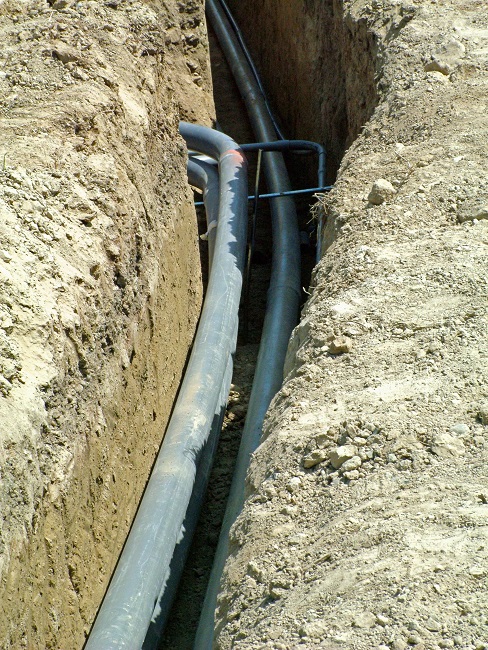
Why Pre-Winter Utility Excavation Planning Matters
Completing essential underground utility excavation before winter can help contractors avoid unnecessary complications and better prepare for seasonal changes. While hydro excavation can be performed in cold conditions with appropriate equipment and precautions, scheduling important utility exposure work in advance often gives project managers more flexibility.
How Does Cold Weather Affect Underground Utility Excavation?
Cold weather can make excavation more difficult by changing soil conditions, increasing equipment preparation requirements, and creating additional jobsite safety considerations.
When temperatures fall below freezing, moisture in the ground may freeze and make soil harder to penetrate. Even in regions with relatively mild winters, sudden freezes and temperature fluctuations can complicate excavation schedules.
Potential winter excavation challenges include:
- Frozen or hardened soil: Lower temperatures can increase the effort required to excavate certain soil conditions.
- Reduced daylight: Shorter workdays may limit available working hours.
- Equipment considerations: Water systems, hoses, and other components may require additional cold-weather protection.
- Weather-related delays: Freezing precipitation, heavy rain, and changing ground conditions can affect access and productivity.
- Worker safety: Slippery surfaces and cold exposure may require additional precautions.
Planning utility exposure work before these conditions develop can help crews identify underground infrastructure and make informed decisions about upcoming construction activities.
Why Is Hydro Excavation Useful for Locating Utilities Before Winter?
Hydro excavation allows contractors to expose underground utilities with greater control than many conventional mechanical excavation methods.
The process uses pressurized water to loosen soil while a vacuum system removes the resulting slurry. This creates a controlled excavation area where buried infrastructure can be visually identified.
Common applications include:
- Utility potholing to verify the location and depth of buried lines
- Daylighting underground infrastructure before construction
- Exposing pipelines for inspection or maintenance
- Identifying potential conflicts between existing and proposed utilities
- Creating precise excavation areas around sensitive infrastructure
According to the Common Ground Alliance, preventing underground utility damage requires effective communication, accurate utility information, and safe excavation practices.
Hydro excavation supports these goals by helping contractors verify actual underground conditions rather than relying exclusively on drawings or surface markings.
It is important to remember that hydro excavation does not replace required utility locating procedures. Contractors should follow applicable 811 notification requirements and utility-owner instructions before excavation begins.
How Can Early Utility Exposure Help Prevent Winter Project Delays?
Early utility exposure helps construction teams identify underground obstacles before they interfere with planned excavation or installation work.
One of the most common challenges in underground construction is discovering that an existing utility is located somewhere other than expected. Even relatively small differences in depth or alignment can affect trenching, equipment access, or installation plans.
By scheduling hydro excavation before winter, project managers can:
- Confirm underground utility locations before major construction begins.
- Identify conflicts that may require engineering or scheduling adjustments.
- Coordinate necessary repairs or modifications with utility owners.
- Document exposed infrastructure for project planning.
- Reduce uncertainty when scheduling later excavation activities.
For example, a contractor preparing to install a new underground line may use hydro excavation to verify existing utility crossings. Discovering those crossings early allows the project team to evaluate clearance requirements before committing to the installation schedule.
Although no excavation method eliminates every potential delay, early investigation can reduce the likelihood of unexpected underground discoveries disrupting winter work.
What Should Contractors Do Before Scheduling Pre-Winter Hydro Excavation?
Successful pre-winter excavation begins with clear project information, utility coordination, and realistic scheduling.
Before requesting hydro excavation services, contractors should gather essential details about the worksite and planned excavation areas.
A practical preparation checklist includes:
- Review available utility records: Gather drawings, site plans, and information about known underground infrastructure.
- Arrange utility locating: Contact 811 within the required notification period and coordinate with utility owners as necessary.
- Identify excavation priorities: Determine which utility crossings, pipelines, or proposed work areas need verification first.
- Evaluate site access: Consider truck positioning, traffic, ground stability, and available working space.
- Plan for slurry management: Determine appropriate handling and disposal requirements for excavated material.
- Allow scheduling flexibility: Account for weather changes, utility coordination, and other contractors working nearby.
The Occupational Safety and Health Administration (OSHA) also emphasizes identifying underground installations before excavation and taking appropriate precautions when approaching them.
Clear communication between contractors, utility representatives, and excavation crews helps ensure that work is completed with the necessary safety considerations in place.
Can Hydro Excavation Support Winter Utility Maintenance?
Yes. Hydro excavation can support utility maintenance throughout winter when equipment, site conditions, and operating procedures are suitable.
Although pre-winter planning is valuable, underground infrastructure problems do not always occur on a convenient schedule. Water line issues, pipeline maintenance needs, and other utility-related work may require excavation during colder months.
Hydro excavation can be useful in these situations because it allows crews to remove soil in a controlled manner around buried infrastructure.
However, winter operations require careful evaluation of conditions such as frozen ground, water management, equipment protection, and safe access.
Completing known utility exposure work before winter helps reserve more scheduling flexibility for unexpected maintenance needs.
Frequently Asked Questions About Pre-Winter Hydro Excavation
Is hydro excavation effective in cold weather?
Yes. Hydro excavation can be effective in cold weather when suitable equipment and operating procedures are used. Frozen soil and freezing temperatures may require additional precautions or specialized equipment.
Should underground utilities be located before winter construction begins?
Yes. Contractors should arrange required utility locating before excavation and verify critical underground infrastructure when necessary. Early verification can help identify conflicts before winter construction activities begin.
Does hydro excavation eliminate the risk of damaging underground utilities?
No. Hydro excavation reduces many risks associated with mechanical digging, but it does not eliminate all potential damage. Proper locating, pressure control, safe operating procedures, and utility coordination remain essential.
When should contractors schedule hydro excavation for winter preparation?
Contractors should schedule hydro excavation early enough to complete utility verification and address potential conflicts before planned winter work. The appropriate timing depends on project scope, utility coordination, site conditions, and contractor availability.
Prepare Your Underground Utility Project for Winter With 4 Warriors Hydro Excavation
Winter construction challenges are easier to manage when underground conditions are understood before work begins. Hydro excavation helps contractors expose buried infrastructure, identify potential conflicts, and prepare for upcoming excavation activities with greater confidence.
At 4 Warriors Hydro Excavation, we focus on precise, dependable excavation solutions that support safer and more efficient underground utility work.
Ready to prepare your underground utility project before winter? Contact 4 Warriors Hydro Excavation to discuss your excavation needs and plan your next project.