
What Should Contractors Include in a Year-End Hydro Excavation Project Estimate?
A year-end hydro excavation project estimate should include the excavation scope, number and depth of excavation points, soil conditions, equipment access, expected labor hours, slurry disposal requirements, and project scheduling. Contractors should also account for utility locating, safety requirements, and potential weather delays to develop a realistic budget for upcoming underground construction or maintenance work.
As the year comes to a close, construction managers, utility contractors, and industrial project planners often review remaining budgets and prepare for future infrastructure improvements. Having an accurate excavation estimate is an important part of this process, especially when projects involve existing underground utilities, sensitive infrastructure, or complex worksite conditions.
At 4 Warriors Hydro Excavation, we understand that customers need more than excavation equipment. They need dependable service, clear communication, and practical solutions that support project timelines and budgets. Our hydro excavation services include utility potholing, daylighting, and trenching, helping contractors approach underground work with greater precision. Understanding what goes into a hydro excavation estimate allows customers to plan effectively, compare proposals, and make informed decisions before construction begins.
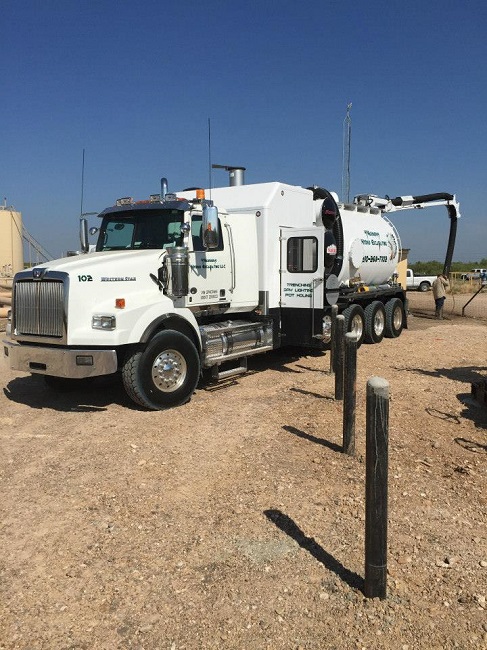
Key Factors That Affect Hydro Excavation Project Costs
Hydro excavation pricing depends on the specific requirements of each project. Unlike conventional excavation, hydro excavation uses pressurized water and a vacuum system to remove soil in a controlled manner, making it particularly useful when working around existing underground infrastructure.
Because no two jobsites are identical, providing detailed project information is one of the most effective ways to obtain a useful estimate.
What Project Details Are Needed for an Accurate Hydro Excavation Estimate?
An accurate hydro excavation estimate begins with a clearly defined scope of work.
Contractors should identify exactly what needs to be excavated, where the work will take place, and the anticipated excavation dimensions.
Important project details include:
- Type of service: Determine whether the project requires utility potholing, daylighting, or hydro excavation trenching.
- Number of excavation locations: Specify how many potholes, trenches, or utility exposure points are needed.
- Estimated excavation depth: Deeper excavation may require additional time, equipment positioning, and safety considerations.
- Excavation dimensions: Provide anticipated widths, lengths, and other measurements.
- Utility information: Include available drawings, markings, and known underground infrastructure.
- Project location: Identify the worksite and any restrictions that could affect access or scheduling.
For example, a project requiring several small utility potholes will have different equipment and labor requirements than a longer trenching project.
Providing this information early helps excavation providers understand the work involved and develop estimates based on realistic expectations.
How Do Soil Conditions and Site Access Affect Hydro Excavation Pricing?
Soil conditions and equipment accessibility can significantly influence the time and resources required for hydro excavation.
Loose or easily removable soil may be excavated more efficiently than dense clay, heavily compacted material, or rocky ground. The amount of water needed and the volume of material collected can also vary.
Site access is another important consideration.
Hydro excavation trucks need suitable locations for safe equipment positioning and operation. Restricted access may require longer hose runs, additional coordination, or modified work procedures.
Contractors should evaluate:
- Soil composition and expected ground conditions
- Distance between truck parking and excavation points
- Traffic control or lane closure requirements
- Available space for equipment maneuvering
- Nearby buildings, structures, or active industrial operations
- Restrictions on work hours or site entry
Industrial facilities, substations, and other controlled environments may also have specific safety and access requirements.
According to the Occupational Safety and Health Administration (OSHA), employers must determine the estimated location of underground utilities before excavation and use safe, acceptable methods to establish their exact location when approaching them. These requirements make utility coordination an important part of project planning. Occupational Safety and Health Administration+1
Identifying access restrictions and safety requirements before requesting an estimate helps contractors avoid overlooking important project expenses.
What Labor, Equipment, and Disposal Costs Should Be Included?
A complete hydro excavation estimate should identify the major operating expenses associated with performing the work.
Although pricing structures vary by provider, hydro excavation projects commonly involve specialized equipment, trained operators, transportation, and excavated material management.
Equipment and operating time
Hydro excavation trucks combine pressurized water systems with powerful vacuum equipment. The time required to operate this equipment depends on excavation conditions, project complexity, and the amount of material being removed.
Contractors should clarify whether estimates account for equipment operating time, mobilization, and travel.
Labor requirements
Hydro excavation requires personnel who understand equipment operation, utility exposure procedures, and jobsite safety.
Projects involving restricted access, traffic management, or additional safety procedures may require more coordination and labor.
Slurry handling and disposal
Hydro excavation produces a mixture of water and excavated soil commonly called slurry.
This material must be collected and managed appropriately. Disposal requirements may depend on material characteristics, facility acceptance rules, and applicable regulations.
Before approving an estimate, contractors should ask whether debris transportation and disposal are included in the quoted price.
Additional project expenses
Other potential costs include:
- Equipment mobilization and demobilization
- Additional water supply arrangements
- Traffic control coordination
- Required permits or site access arrangements
- Extended operating hours
- Waiting time caused by site restrictions
- Additional excavation requested after work begins
Not every project requires these expenses. However, identifying them during the estimating process helps reduce uncertainty.
How Can Contractors Prepare Hydro Excavation Budgets Before the End of the Year?
Year-end budgeting is more effective when contractors evaluate both immediate excavation requirements and anticipated work for the following year.
Rather than estimating costs based only on the number of excavation points, project managers should consider the complete sequence of work.
A practical year-end planning process includes five steps:
- Review upcoming projects. Identify construction, maintenance, and infrastructure activities that may require hydro excavation.
- Prioritize utility exposure needs. Determine which underground utilities must be verified before other work can proceed.
- Gather site documentation. Collect drawings, preliminary measurements, access information, and project schedules.
- Request detailed estimates. Provide consistent information so excavation proposals can be compared accurately.
- Account for potential changes. Consider reasonable budget allowances for unexpected underground conditions or scope adjustments.
Scheduling is particularly important during the final months of the year.
Holiday closures, shorter daylight hours, weather changes, and coordination with multiple contractors can affect when excavation work can be completed.
Planning ahead does not guarantee that every project will proceed without interruption, but it gives construction teams more opportunities to address scheduling conflicts before work begins.
How Can Hydro Excavation Help Contractors Manage Overall Project Costs?
Hydro excavation can help contractors manage overall project costs by reducing unnecessary excavation and supporting more accurate underground utility verification.
The lowest initial excavation price is not always the lowest total project cost.
When underground infrastructure is damaged or unexpectedly encountered, contractors may face additional repairs, schedule changes, or work interruptions.
Hydro excavation helps reduce these risks by using a controlled method of soil removal around buried utilities.
Potential project benefits include:
- More precise excavation around existing infrastructure
- Reduced unnecessary soil disturbance
- Better information about utility locations and depths
- Improved coordination between excavation and installation crews
- Fewer unexpected conflicts during subsequent construction
For example, potholing can help verify the actual depth of an underground utility before a new pipeline installation begins. That information allows contractors to evaluate whether the proposed installation route is practical.
The financial benefit depends on project conditions, and hydro excavation is not automatically the least expensive method for every application.
However, evaluating excavation costs alongside potential utility damage, rework, and scheduling risks provides a more complete picture of project value.
Frequently Asked Questions About Hydro Excavation Estimates
How much does hydro excavation typically cost?
Hydro excavation costs vary based on excavation depth, soil conditions, equipment access, labor requirements, and disposal needs. A project-specific estimate is the most reliable way to determine expected pricing.
Is hydro excavation more expensive than traditional excavation?
Hydro excavation may have higher direct operating costs than some conventional digging methods. However, its precision can help reduce unnecessary excavation, utility damage risks, and potential rework.
What information should I provide when requesting a hydro excavation quote?
Provide the project location, excavation type, estimated dimensions, number of excavation points, available utility information, site access conditions, and preferred schedule.
Should contractors request hydro excavation estimates before the new year?
Yes, when projects are already being planned. Requesting estimates before year-end can help contractors establish preliminary budgets, coordinate schedules, and identify potential excavation challenges before work begins.
Plan Your Next Hydro Excavation Project With 4 Warriors Hydro Excavation
Accurate excavation budgeting begins with understanding the work involved. From utility potholing and daylighting to hydro excavation trenching, detailed project information helps contractors prepare realistic estimates and make informed decisions.
At 4 Warriors Hydro Excavation, we recognize the importance of safety, precision, project timelines, and budget considerations. Our team works to provide dependable hydro excavation solutions that help customers move forward with confidence.
Ready to plan your next excavation project? Contact 4 Warriors Hydro Excavation today to request an estimate and discuss your upcoming hydro excavation needs.